
I spent three hours last Tuesday watching a logistics manager try to “optimize” his team’s output by purchasing a $5,000 SaaS subscription packed with pre-built workflows. He thought he was learning how to use templates to save time, but all he was actually doing was automating a mess. It’s a classic mistake: people reach for a shiny new digital structure to hide the fact that they don’t actually know how their own business functions. A template isn’t a strategy; it’s just a container, and if the container is empty or filled with garbage, you’re just speeding up the failure.
I’m not here to sell you a library of pretty spreadsheets or promise you a magic pill for productivity. My goal is to show you how to build templates that actually hold weight. I will teach you the discipline of mapping your process on paper first, so that when you finally do implement a tool, it actually sticks. We are going to stop chasing software shortcuts and start focusing on the foundational logic that makes efficiency possible.
Table of Contents
Why a Tool Cannot Fix a Broken Workflow

I’ve seen it a dozen times: a logistics manager spends six figures on a new software suite because they think it will magically solve their scheduling chaos. They buy the license, roll out the training, and three months later, they’re still missing shipments. The problem isn’t the software; it’s that they tried to implement workflow automation with templates on top of a mess. If your team doesn’t know who signs off on a bill of lading or what happens when a driver is late, a digital form isn’t going to save you. It just helps you make mistakes faster.
A template is just a container. If the logic inside that container is flawed, you aren’t gaining efficiency; you’re just automating a disaster. Most people think they need better software, but what they actually need is to stop and define the sequence of events. You can’t achieve true improving productivity through reusable assets if those assets are built on assumptions rather than documented reality. Before you touch a single piece of software, grab a pen and map out the steps. If you can’t describe the process in plain English, no template in the world is going to fix your bottom line.
Standardizing Document Formats Starts With Pen and Paper
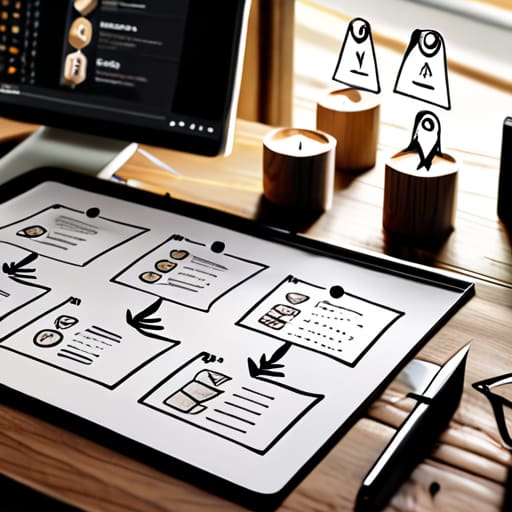
I’ve seen it a dozen times: a manager buys a premium subscription for a document management suite, expecting it to magically solve their chaos. They think they’re standardizing document formats, but they’re actually just digitizing a mess. If you can’t map out the flow of information on a napkin or a whiteboard, a digital template is just a high-tech way to make the same mistakes faster. You need to see the friction points—where the data gets stuck, who signs off, and what actually needs to be said—before you ever touch a keyboard.
Grab a notebook. Walk through the lifecycle of a single document from inception to filing. I want you to see where the manual hand-offs happen and where people are forced to hunt for information. Only once you’ve physically traced these steps can you start reducing repetitive tasks with presets. If you try to automate a process that you haven’t even defined on paper, you aren’t building a system; you’re just building a faster way to fail. Get the logic right first. The software is just the delivery mechanism.
Five Ways to Use Templates Without Wasting More Time Than You Save
- Audit the output before you build the shell. If you can’t look at a finished document and list every mandatory field without guessing, you don’t have a template; you have a blank page with a fancy border.
- Build for the lowest common denominator. I’ve seen consultants design complex templates that require a PhD to navigate. If your floor staff can’t fill it out in under three minutes, they’ll bypass it entirely and go back to using sticky notes.
- Kill the “Frankenstein” document. Stop letting people copy-paste from last month’s report to make this month’s. That’s how errors propagate. A template should be a clean, locked-down structure, not a graveyard of old data.
- Limit the variables. A good template solves for the 80% of tasks that are identical every single time. If you’re trying to build a template that accounts for every possible edge case, you’re just building a manual, and you’re wasting your afternoon doing it.
- Measure the friction. Every month, I check if the time spent managing the template is eating the time saved by using it. If your team is spending more time “fixing the template” than actually working, scrap it and go back to the drawing board.
The Bottom Line
Stop paying for premium software subscriptions to automate tasks that your team hasn’t even agreed on how to do manually.
A template is just a digital mask for a process; if the underlying steps are messy, the template just helps you produce garbage faster.
If you can’t explain the workflow on a whiteboard without a computer, you have no business looking for a template to fix it.
Stop Buying Software to Fix Bad Habits

Look, templates aren’t magic wands. If you try to automate a mess, you just end up making mistakes faster and at a higher volume. We’ve spent the last few sections establishing that you have to map the workflow, strip out the waste, and commit the steps to paper before you even touch a software subscription. A template is merely a container; if the logic inside that container is flawed, the tool is just expensive digital clutter. You don’t need a more complex dashboard or a premium subscription to solve your efficiency problems. You need a documented process that actually works when it’s stripped of its bells and whistles.
Stop looking for the next big productivity app to save your quarterly margins. The real time savings don’t come from a clever piece of code, but from the discipline of knowing exactly what happens next in your operation. Once you have the process written down, the templates will follow naturally, and they will actually do what they are supposed to do: save time. Build the foundation first, or don’t bother building at all. Get the process right, and the tools will finally start paying for themselves.

