
I spent three hours last Tuesday watching a mid-sized logistics manager try to “optimize” their project wrap-up by purchasing a $50,000 enterprise software suite. It was painful. He thought a shiny dashboard would solve his chaos, but he was just digitizing a mess. Most people think learning how to close a project properly involves finding the right automation tool or a complex Gantt chart template. They’re wrong. You don’t need more software; you need to stop pretending that a finished task is the same thing as a finished process.
I’m not here to sell you on a new subscription or a “revolutionary” workflow. I’m going to tell you how to actually do the work by starting with the process you should have written down months ago. I will show you how to strip away the administrative bloat and focus on the actual mechanics of closure—documentation, resource reallocation, and the hard conversations about what went wrong. If you want a lecture on digital transformation, go elsewhere. If you want to stop wasting time on projects that never truly end, read on.
Table of Contents
The Fatal Flaw in Your Project Management Lifecycle Phases

Most managers treat the project management lifecycle phases like a checklist of chores rather than a structural framework. They sprint through initiation, planning, and execution, only to treat the final stage as an afterthought—a polite “goodbye” before moving to the next fire. This is where the rot sets in. You think you’re finishing, but you’re actually just drifting. Without a defined end, you aren’t completing work; you’re just letting it bleed into your next assignment.
The fatal flaw is the assumption that “done” is a feeling. It isn’t. If your stakeholder sign-off process is just a casual email or a verbal “looks good” in a hallway, you haven’t closed anything. You’ve just left the door open for scope creep to haunt you six months from now. You need a hard stop. I don’t care how much you like your team; if you haven’t formalized the handover and the releasing of project resources, you are effectively paying for ghost labor that isn’t being billed to a new budget. You aren’t managing a lifecycle; you’re managing a series of leaks.
Why a Written Project Closure Checklist Trumps Any Tool
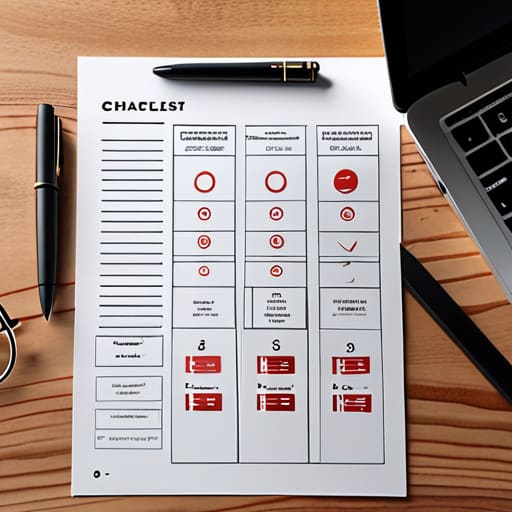
I see it every week: a manager spends $50k on a new SaaS platform to “streamline” their wrap-ups, only to find the same chaos at the end of every quarter. They think a dashboard will force discipline. It won’t. A tool is just a digital container; if you haven’t defined the actual steps, you’re just paying for a more expensive way to be disorganized. You don’t need a subscription; you need a project closure checklist that actually dictates what happens when the work is “done.”
A real checklist forces the uncomfortable conversations. It mandates a formal stakeholder sign-off process so nobody can claim mid-stream that the requirements weren’t met. It ensures you aren’t just “finishing” but are actually archiving project assets and releasing project resources back to the pool without leaving a trail of half-finished tasks behind. Without these written requirements, your “closure” is just a collective sigh of relief before the next fire starts. Stop looking for a software solution to fix a lack of discipline. Write the list, follow the list, and stop wasting the overhead.
Five Ways to Actually Finish Without Leaving a Mess
- Stop treating “lessons learned” like a creative writing exercise. If you don’t have a standardized template for documenting what went wrong, your team will just vent for twenty minutes and call it a day. A template forces specific, actionable data.
- Audit your resource allocation before you release the team. I’ve seen too many managers “close” a project only to realize three specialists are still stuck on dead tasks because no one officially signed off on their transition. That’s wasted overhead.
- Archive the documentation where people can actually find it. A project isn’t closed if the final deliverables are sitting in a junior analyst’s personal Google Drive. If it isn’t in the central repository, it doesn’t exist.
- Reconcile the budget against the reality. Don’t just look at the final number; look at the variance. If you spent 20% more than planned and you don’t know exactly which process step caused the leak, you’ll repeat the mistake on the next one.
- Get a formal sign-off from the stakeholder. A verbal “looks good” is worth zero when the client comes back six months later claiming a requirement wasn’t met. Get a signature or a digital confirmation. Make it part of the checklist.
The Bottom Line
Stop throwing money at software to automate a “wrap-up” phase that currently only exists in your head.
If your closure steps aren’t documented on paper, you aren’t closing projects; you’re just stopping work and hoping for the best.
A disciplined, written checklist is the only way to stop the same operational leaks from draining your budget in the next cycle.
Stop Chasing Software and Start Writing Processes

At the end of the day, closing a project isn’t about finding the perfect dashboard or a more expensive subscription to a PM tool. It’s about the discipline of documenting what actually happened. If you haven’t defined your closure steps in a written checklist, you aren’t managing a lifecycle; you’re just hoping for the best. We’ve established that tools are useless if they are just automating chaos. You need a defined process to capture lessons learned, hand over assets, and officially release your resources. Without that paper trail, you aren’t closing anything—you’re just letting it bleed into your next project.
My advice is simple: stop looking for a digital band-aid to fix a structural wound. The next time you feel the urge to buy a new piece of software to “streamline” your wrap-ups, take a step back and grab a notepad instead. Build the process first. If you can’t explain the closure steps to a new hire using nothing but a single sheet of paper, your process is broken. Master the process, and the tools will actually work. Once you stop treating project closure as an afterthought, you’ll finally see the real efficiency gains.

