
I spent forty minutes yesterday watching a logistics manager try to configure a $50,000 dashboard to track response times, all because his team was missing deadlines. He thought the software would fix the chaos, but he was just digitizing a mess. Most people approach the question of how to set a service level expectation by looking for a shiny new piece of middleware or an automated alert system. They treat it like a technical problem when it is actually a discipline problem. You can’t automate your way out of a broken workflow, and no amount of colorful charts will stop a client from being angry if your underlying process is a black hole.
I’m not here to sell you on a subscription or walk you through a generic corporate seminar. I am going to show you how to strip away the fluff and build an SLA that actually works by starting with the process. I’ll give you the blunt, unvarnished steps to document your reality before you try to measure it. If you want a way to define performance that doesn’t rely on expensive illusions, you’re in the right place.
Table of Contents
Mapping the Invisible Before Defining Service Level Agreements

Most managers think they can just pull a number out of thin air, call it an SLA, and walk away. They want to jump straight into defining service level agreements without knowing if their team actually has the capacity to hit them. That’s a recipe for burnout and broken promises. Before you even think about a dashboard, you need to map the invisible work—the handoffs, the bottlenecks, and the “quick favors” that eat up three hours of a technician’s afternoon. If you haven’t documented the actual flow of a task from start to finish, you aren’t setting targets; you’re just guessing.
I spent forty minutes in a discovery meeting last Tuesday watching a logistics lead try to explain why their delivery times fluctuated. It wasn’t a software issue; it was a lack of standardized service delivery standards. They were doing five different versions of the same job depending on which client was calling. You cannot establish operational efficiency benchmarks if the baseline is a moving target. Sit down with a whiteboard, trace the path of a single request, and find where the friction lives. Only once the process is visible can you actually begin setting realistic performance targets that won’t collapse the moment things get busy.
The Fallacy of Automating a Broken Workflow

I see it every month: a manager spends sixty grand on a shiny new dashboard to track “real-time performance,” only to realize the data is garbage. They think they’re solving a bottleneck, but they’re actually just accelerating the chaos. If your team is currently bypassing steps, ignoring hand-offs, or using three different spreadsheets to track one shipment, an automated tool won’t save you. It will just make your mistakes happen faster and with more visibility. You can’t use software to bridge the gap between a messy reality and the service delivery standards you promised on paper.
Automating a broken workflow is like putting a turbocharger on a car with no steering wheel. You might go faster, but you’re still going to hit the wall. Before you start setting realistic performance targets based on automated reports, you have to ensure the underlying steps actually function. If the manual process is inconsistent, your automated metrics will be nothing more than a high-speed hallucination. Fix the sequence of events first. Once the workflow is stable and documented, then—and only then—should you talk about software. Anything else is just expensive theater.
Five Ways to Stop Guessing and Start Measuring
- Define the ‘Done’ state before you define the time. If your team doesn’t agree on what a completed task actually looks like, your SLA is just a countdown to a misunderstanding.
- Build in a buffer for the reality of friction. I’ve seen too many managers set aggressive targets based on a perfect world. If your process has known bottlenecks, your SLA must account for them, or you’re just setting yourself up for a monthly report full of red ink.
- Stop using “as soon as possible” as a metric. It’s a useless phrase that hides inefficiency. Use hard numbers—minutes, hours, or days—or don’t bother setting the expectation at all.
- Assign a single owner to every metric. If everyone is responsible for the SLA, nobody is. I want to see one name next to every target so I know exactly who to call when the process breaks.
- Review the data, not just the dashboard. A tool will tell you that you missed a target, but it won’t tell you why. Every month, look at the misses and ask if the process failed or if the expectation was delusional.
The Bottom Line
Stop looking for a dashboard to solve a communication problem; if you haven’t written the process down, your SLA is just a guess.
Automation is a multiplier, not a savior. If you automate a mess, you just get a faster, more expensive mess.
An SLA is a contract between people, not a setting in your software. Define the human steps first, or the tool will eventually lie to you.
Stop Buying Software and Start Writing Processes
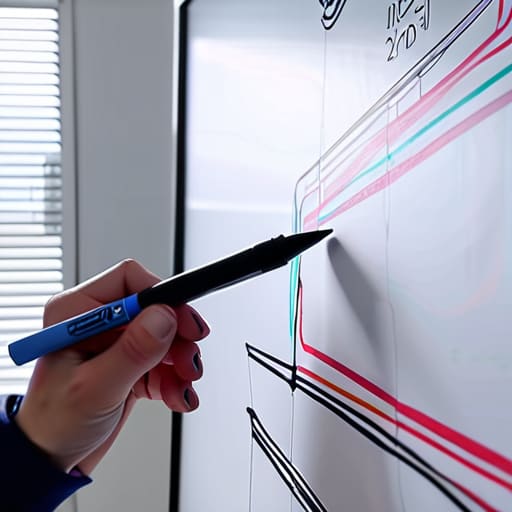
If you’ve followed this far, you know that setting an SLA isn’t about picking a dashboard or a notification setting in a project management tool. It’s about the grit of mapping out exactly how work moves from point A to point B. You can’t measure what you haven’t defined, and you certainly can’t automate a mess without making that mess exponentially more expensive. Stop looking for a magic software fix to solve your communication gaps. Go back to your whiteboard, trace the actual steps your team takes, and document the reality of your workflow before you even think about promising a turnaround time to a client.
At the end of the day, an SLA is just a promise. If that promise is built on a foundation of unwritten rules and “we’ll just figure it out as we go,” you aren’t managing operations—you’re just managing chaos. Real efficiency comes from the clarity of a well-defined process, not the bells and whistles of a new subscription. Build the process first, and the metrics will take care of themselves. Master the workflow, and the tools will actually do what they’re supposed to do.

