
I spent forty minutes on a call yesterday with a logistics manager who was mourning the loss of three high-end MacBooks. He wasn’t mourning the hardware; he was mourning the fact that he had no idea where they went or who had them. He thought he needed a fancy, subscription-based asset management platform to solve his problem. He didn’t. He just needed to figure out how to handle equipment for remote staff without relying on a digital band-aid to cover up a total lack of documentation. Most companies treat hardware procurement like a magic wand, hoping a shiny new laptop will somehow automate the chaos of a distributed workforce.
I’m not here to sell you on more software or expensive tracking gadgets. I’m here to tell you that if you haven’t mapped out the lifecycle of a piece of gear—from the moment it leaves the warehouse to the day it hits the scrap heap—you are simply burning capital. I’m going to show you how to build a repeatable, manual-first process that actually works. We’re going to strip away the fluff and focus on the logistics of accountability.
Table of Contents
Why Remote Employee Onboarding Technology Fails Without Documentation
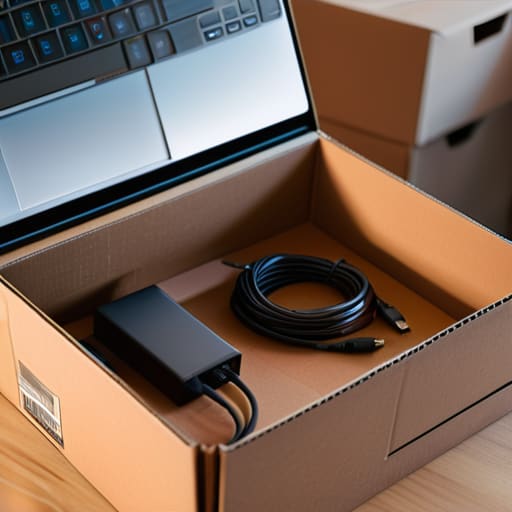
I see it every quarter: a company spends six figures on a shiny new HRIS platform to automate their remote employee onboarding technology, only to realize they haven’t actually decided who is responsible for shipping the laptop. They think the software will solve the friction, but software doesn’t make decisions; people do. If you haven’t documented the exact hand-off between HR and IT, your expensive new tool is just a digital paperweight.
Most of these failures stem from a lack of clarity regarding managing hardware logistics for remote employees. Without a written workflow, you end up with “ghost” assets—laptops that were shipped, never arrived, and were never tracked because no one wrote down the contingency plan. You aren’t suffering from a lack of tech; you’re suffering from a lack of standard operating procedures.
The same applies to the back end. I’ve seen firms struggle with an incredibly messy offboarding equipment retrieval process simply because they focused on the “hire” and ignored the “fire.” They invest in onboarding automation but leave the exit strategy to chance. If your process for getting hardware back from a departing contractor isn’t as detailed as your hiring flow, you aren’t managing assets—you’re just donating them to the universe.
Mapping the Lifecycle Before Managing Hardware Logistics for Remote Employe

Before you open a single purchase order, you need to draw a line from the moment a candidate signs an offer to the moment they leave the company. Most managers skip this because it’s tedious, but they end up drowning in “where is my laptop?” emails. You need to map the entire lifecycle. This means defining exactly who triggers the shipment, who pays for the shipping labels, and who verifies the serial number upon arrival. If you don’t have a clear offboarding equipment retrieval process sketched out on paper before you even ship the first MacBook, you aren’t managing logistics; you’re just hoping for the best.
I see companies trying to automate their way out of this mess using expensive software, but the software won’t tell you why your shipping costs are spiking. You need to decide on your stance early: are you providing a standardized kit, or are you leaning on remote work stipend policies? If it’s the latter, your “process” is actually just a series of uncoordinated reimbursements that will haunt your accounting department. Map the decision tree first. Decide if you are a “ship-to-home” company or a “reimburse-the-receipt” company. Once that decision is documented, then—and only then—can you look at tools for IT asset management for distributed teams.
Five ways to stop bleeding money on remote hardware
- Stop the “emergency” shipping cycle. If you don’t have a written trigger for when a new hire needs gear, you’ll end up paying overnight FedEx rates every single time someone joins. Define the lead time in your process, or accept the shipping tax.
- Inventory isn’t a spreadsheet; it’s a physical reality. If your process doesn’t include a monthly audit of what’s actually in the warehouse versus what’s on your digital list, you’re just guessing. I’ve seen firms lose $20k in laptops simply because they “thought” they had them in stock.
- Standardize the kit. I don’t care if the designer wants a specific mouse or the dev wants a different keyboard. Pick three standard configurations and stick to them. Complexity is a hidden cost that eats your margins through procurement delays.
- Build a “Return to Base” protocol before the employee even signs their contract. Most companies focus on the delivery and completely forget the retrieval. If you don’t have a documented, prepaid process for getting hardware back from a terminated employee, that laptop is gone forever.
- Stop treating IT like a help desk and start treating it like a supply chain. When a laptop breaks, it’s not just a “tech issue”—it’s a logistics failure. Map out the replacement flow: request, shipment, setup, and old unit recovery. If you can’t draw it on a napkin, you don’t have a process.
The Bottom Line on Remote Hardware
Stop treating hardware procurement as a solution for poor management; a laptop is just a faster way to execute a bad process.
Document the exact lifecycle of every piece of equipment—from requisition to recovery—before you spend a single cent on a tracking software.
If you can’t explain how a device moves from the warehouse to the employee’s desk on a piece of paper, no amount of automation will save your margins.
Stop Looking for a Software Silver Bullet

At the end of the day, you can spend fifty thousand dollars on a fleet of high-end laptops and a fancy asset management subscription, but it won’t matter if your team doesn’t know who is responsible for the return shipment when they quit. We’ve spent the last few sections looking at why documentation is the backbone of hardware logistics. If you haven’t mapped out the lifecycle—from the moment a box leaves the warehouse to the day it’s wiped and restocked—you aren’t managing equipment; you are just throwing money at a logistical void. Stop trying to automate the chaos. Fix the workflow on paper first, or prepare to watch your operational margins bleed out through lost peripherals and unreturned monitors.
Efficiency isn’t about having the flashiest dashboard in the boardroom. It is about the quiet, boring discipline of knowing exactly where every asset sits and exactly what happens to it next. When you finally stop treating hardware as a series of one-off emergencies and start treating it as a documented, repeatable process, the friction disappears. You’ll stop fighting fires and start actually running an operation. Go grab a notebook, map your current mess, and stop buying tools to hide your lack of a plan.

